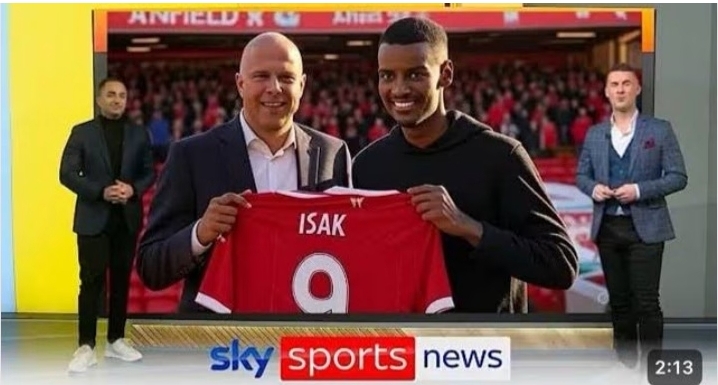

In the rapidly evolving landscape of digital sports journalism, few phenomena have become as predictable or as transparently cynical as the systematic exploitation of marquee player names for search engine optimization purposes. The modern football media ecosystem has transformed into a content mill where the mere mention of certain high-profile athletes can guarantee clicks, regardless of whether there exists any genuine news value or substantive reporting behind the headline.
The current obsession with Alexander Isak represents a perfect case study in how contemporary sports journalism operates. The Swedish striker, whose name has become synonymous with transfer speculation and clickbait headlines, serves as a prime example of what industry insiders recognize as “SEO gold.” His name, when combined with certain club mentions, particularly Liverpool, creates an irresistible combination for digital publishers seeking to drive traffic to their platforms.
This phenomenon extends far beyond mere coincidence or genuine transfer interest. It represents a calculated approach to content creation where the primary consideration is not journalistic integrity or factual reporting, but rather the algorithmic potential of specific keyword combinations. Publishers have recognized that Isak’s name carries sufficient search engine weight to justify its inclusion in headlines, even when the actual connection to any real news story is tenuous at best.
The mechanics of this approach are straightforward yet deeply problematic. Content creators identify high-value names – players who consistently generate search traffic and social media engagement – and then construct narratives that allow these names to be legitimately included in headlines alongside popular clubs. The actual substance of the story becomes secondary to the headline’s ability to attract clicks and generate advertising revenue.
The Alexander Isak situation mirrors closely the treatment of Marcus Rashford in similar contexts. Rashford, another player whose name has transcended mere football reporting to become a content generation tool, demonstrates how certain athletes become trapped in cycles of speculative journalism. The pattern is remarkably consistent: identify a player with strong SEO value, create tenuous connections to major clubs or transfer scenarios, and package the resulting content with headlines designed to maximize click-through rates.
This template has proven so successful that it has become the de facto standard for numerous sports publications. The approach requires minimal journalistic resources – no exclusive interviews, no deep investigative work, no insider sources – yet consistently delivers the traffic numbers that digital publishers crave. It represents journalism at its most efficiently cynical, where the traditional gatekeeping functions of sports reporters have been replaced by algorithmic considerations and engagement metrics.