In a landmark moment for English football, 17-year-old Liverpool sensation Rio Ngumoha made his senior debut for the Three Lions in a pre-World Cup friendly against New Zealand on June 6, 2026. Coming on as a second-half substitute in a 1-0 victory, the young forward delivered an eye-catching performance that earned him Man of the Match honors. Yet, beneath the surface of this historic achievement lies a palpable sense of frustration and missed opportunity. Not selected for England’s final World Cup squad, Ngumoha’s limited cameo on the international stage has left the prodigious talent—and many observers—feeling understandably deflated.

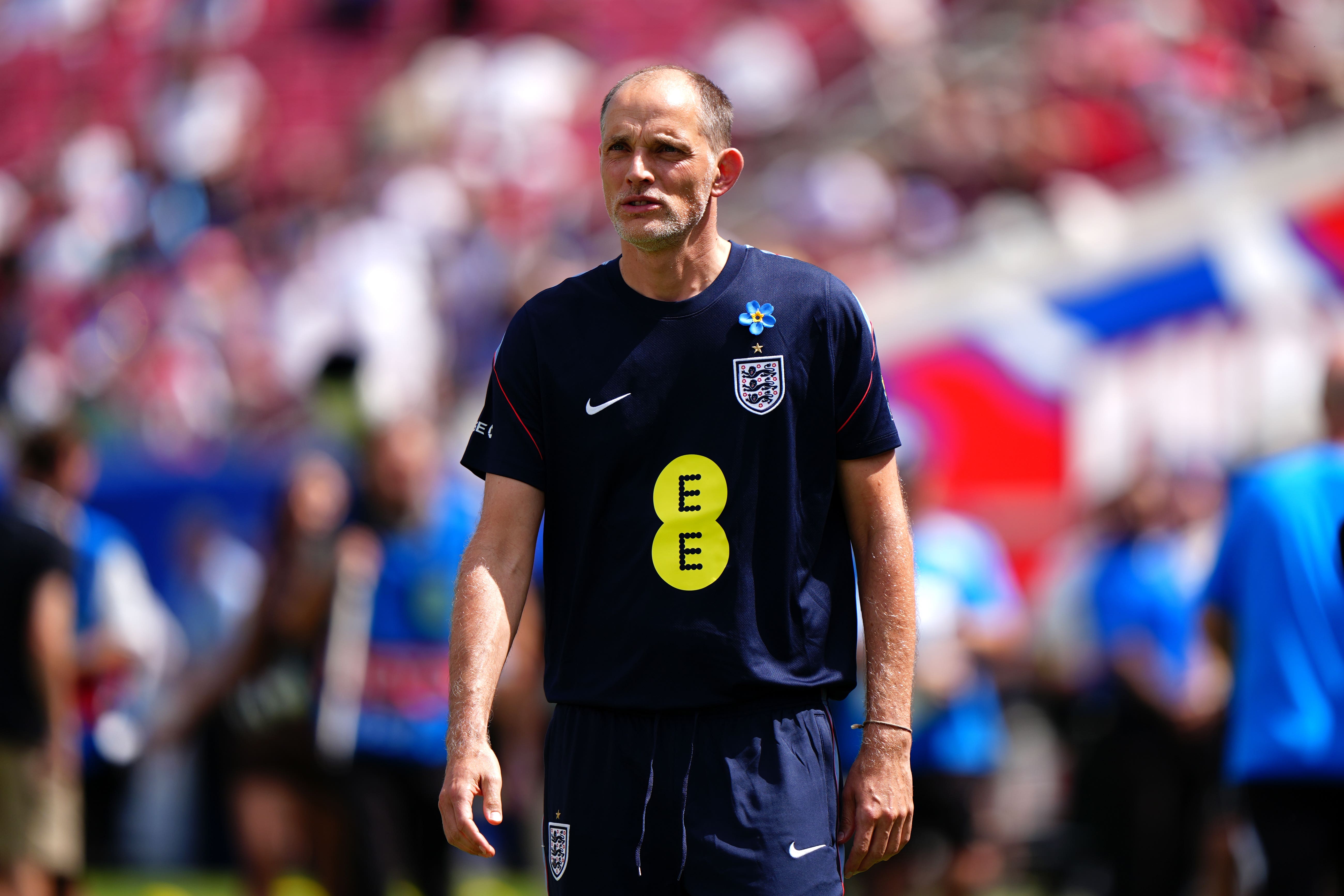
The debut itself was nothing short of electric. At 17 years and 281 days old, Ngumoha became the fifth-youngest player to represent England’s senior team, slotting in behind legends like Theo Walcott, Wayne Rooney, and Jude Bellingham. Entering at halftime alongside a raft of changes, the Liverpool winger immediately showcased the flair and creativity that have made him one of the most exciting prospects in world football. He linked intelligently with Bellingham, troubled New Zealand’s defense with direct runs and skillful dribbling, and demonstrated the fearlessness that defines his game. Post-match, Bellingham himself presented the debutant with his first senior cap, leaving Ngumoha visibly emotional and “speechless.” Jordan Pickford and others heaped praise on the teenager’s composure and impact.

For a player who has already rewritten records at club level—becoming Liverpool’s youngest-ever league goalscorer, making his Premier League debut with a stoppage-time winner, and shining in the Champions League— this England bow should have been pure celebration. Born in Newham, east London, and previously at Chelsea’s academy before joining Liverpool in 2025, Ngumoha’s rapid ascent has been fueled by raw talent, hard work, and an innate ability to perform on the biggest stages. Described as a skillful, creative forward, he fits perfectly into the mold of modern, dynamic attackers who can unlock defenses with pace, vision, and technical brilliance.
However, the broader context casts a shadow. Despite his breakout performances and the buzz surrounding his potential as a future superstar, FIFA regulations prevented Ngumoha from being included in England’s final 26-man World Cup squad because he was not on the provisional list. Instead of gaining invaluable tournament experience— even in limited minutes off the bench—he was sent back to Liverpool while the senior team prepares for their June 17 opener against Croatia. This decision has drawn widespread criticism. Prominent voices, including content creator Mark Goldbridge, highlighted the missed opportunity: “Not taking Rio to the World Cup is such a shame. Going to be a superstar and giving him World Cup experience and ten minutes here and there would be so good.”

This sentiment resonates deeply. For a 17-year-old on the cusp of greatness, being tantalizingly close to the World Cup squad only to be excluded feels like a cruel twist. Ngumoha’s post-debut reactions, while gracious and humble—“I’m happy. I’m speechless! I just want to say thank you”—betray an underlying disappointment. The “what if” lingers: how much could those precious minutes in a major tournament have accelerated his development? Exposure to high-stakes environments against top opposition is irreplaceable for young talents. Instead, the debut served as a poignant reminder of potential unrealized on the global stage this summer.
Fans and pundits alike share the frustration. Social media erupted with regret over the squad selection, with many arguing that Ngumoha’s inclusion could have injected much-needed youthful energy and unpredictability into Gareth Southgate’s (or his successor’s) setup. His club form at Liverpool under Arne Slot has been phenomenal, blending seamlessly into the first team and delivering moments of magic that evoke comparisons to past English wing wizards. Denying him even a peripheral role in the World Cup feels shortsighted, especially when proven performers sometimes struggle to replicate club brilliance on international duty.
Ngumoha’s journey underscores the brutal realities of elite football. From Chelsea’s youth ranks to Liverpool’s senior side, he has consistently defied age expectations. His style—direct, creative, and unafraid to take on defenders—makes him a nightmare matchup. Yet football management often prioritizes experience over potential in tournaments, leaving prodigies like Ngumoha in a frustrating limbo. The debut, while historic, came with the bitter aftertaste of exclusion. He returns to Merseyside with a senior cap and glowing reviews but also a quiet determination forged in disappointment.
Looking ahead, this experience will likely fuel Ngumoha’s fire. At just 17, he has time on his side. Regular minutes for Liverpool in the Premier League and Europe will keep his development on track, and future international call-ups are inevitable. England’s decision may prove a temporary setback, but for now, the young star’s emotions are mixed: pride in the milestone tempered by the sting of missing out on Qatar—or wherever the 2026 World Cup is hosted—experience.
In paraphrasing the sentiment from Goldbridge’s widely discussed post, the football community largely agrees: sidelining a generational talent like Rio Ngumoha from the World Cup squad is a genuine shame. His brief but brilliant England debut highlighted exactly why he belongs at the highest level. Giving promising youngsters meaningful exposure isn’t just good for individual growth; it strengthens the national team long-term. As Ngumoha processes this chapter, one thing is clear—he is destined for superstardom, and this disappointment will only sharpen his hunger.
The football world will be watching closely as Ngumoha channels any lingering unhappiness into performances that force selectors to reconsider in future tournaments. For a player already achieving the extraordinary at such a tender age, the best is undoubtedly yet to come.