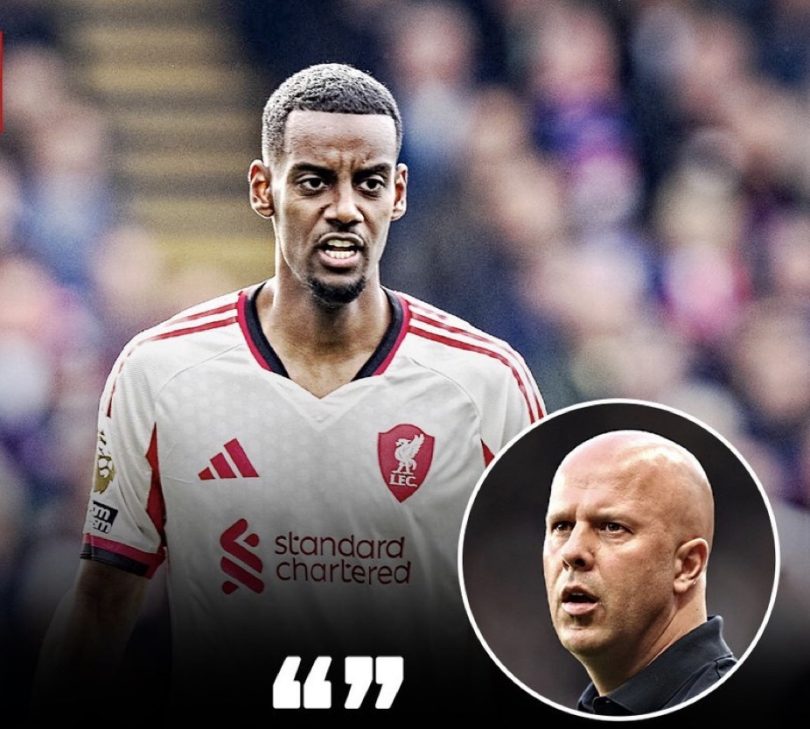

Football is a game of moments—split-second decisions that can define a match, a season, or even a player’s legacy. But what happens when those moments don’t quite align? In a recent press conference, the manager opened up about the challenges of integrating a key player into the squad, shedding light on the delicate balance of time, teamwork, and adaptation.
Limited Minutes, High Expectations
The manager didn’t mince words when discussing the player’s limited game time: “I said to him the difficult thing is you will have your appearances, but if you add minutes together, it probably won’t be more than two 90 minutes.” This candid admission highlights the reality of modern football—appearances don’t always translate to meaningful minutes. Whether it’s due to tactical decisions, fitness concerns, or squad rotation, the player’s time on the pitch has been sparse. Yet, the manager’s tone suggests this isn’t a criticism but a challenge to overcome.
For fans, this might feel frustrating. We all want to see our star players logging full matches, dictating play, and making headlines. But the manager’s realism is a reminder that football isn’t just about individual brilliance—it’s about fitting into a system.
The Newcastle Legacy
The context of the player’s situation is rooted in his past: “That’s what we inherited from his situation at Newcastle. We knew this before, so it’s not an excuse.” This quote hints at a transfer or a return from a stint at Newcastle, where the player’s role or performance may have been inconsistent. The manager is clear—this isn’t an excuse but a fact. The team knew what they were signing up for when they brought him in, and now it’s about making it work.
This acknowledgment sets the tone for a pragmatic approach. The manager isn’t pointing fingers or dwelling on the past; instead, he’s focused on the present challenge of integration. It’s a refreshing take in an era where excuses often dominate post-match pressers.
Chemistry Takes Time
The heart of the issue lies in team chemistry—or the lack thereof. The manager pointed to a specific moment that encapsulates the problem: “He had a great counter moment against Palace, but the midfield didn’t see it. These are the things that they have to work on.” Picture it: a lightning-fast break, the player surging forward, ready to exploit the space… and the pass never comes. It’s a frustrating scenario for any attacking player, and it underscores the need for better understanding between teammates.
The manager went on to explain why this cohesion has been harder to achieve this season: “That’s been harder than last season because of Alexander, Alexis, Conor, and playing Dom.” While the specific roles of these players (likely Alexander Isak, Alexis Mac Allister, Conor Gallagher, and Dominic Solanke, assuming a Premier League context) aren’t detailed, it’s clear their presence has shifted the team’s dynamics. New signings, injuries, or tactical tweaks can disrupt the rhythm of even the most talented squads. The manager’s job is to help the player “adjust to his teammates” while ensuring they adjust to him in return.
The Road Ahead
What’s next for this player and the team? The manager’s comments suggest a work in progress. Building chemistry isn’t an overnight fix—it requires repetition, communication, and trust. Fans can take heart in knowing the coaching staff is aware of the issue and actively working to address it. That missed counter against Palace isn’t a one-off mistake; it’s a learning opportunity.
For the player, the challenge is clear: keep pushing, stay patient, and seize those fleeting moments on the pitch. For the midfielders, it’s about sharpening their awareness and syncing with their teammate’s runs. And for the manager, it’s about finding the right balance in a squad full of talent like Alexander, Alexis, Conor, and Dom.
As fans, we often focus on goals, assists, and highlight-reel moments. But this glimpse into the team’s inner workings reminds us that football is as much about the grind as it is about the glory. The clock is ticking, and the minutes are adding up—let’s hope they soon translate into magic on the pitch.