Echoes of Anfield: Is the Road Back for Jürgen Klopp at Liverpool?
“I miss sitting in the Liverpool restaurant and having a chat with the players. I miss hearing Virgil van Dijk’s laugh in my ear — I can still hear it today.” Those words from Jürgen Klopp weren’t just nostalgia; they sounded like a quiet confession. A whisper that somewhere inside, his story with Liverpool isn’t over. When he said it, fans across the world stopped scrolling for a moment — because it didn’t sound like closure. It sounded like longing. And as Liverpool plunge deeper into a crisis under Arne Slot, Klopp’s voice feels like an echo returning from the past, asking a dangerous question: could the man who built this empire be destined to save it once again?
When Klopp left Liverpool at the end of the 2023–24 season, it felt like a bittersweet ending to a golden chapter. He was exhausted, emotionally drained, but at peace. After nine years, countless memories, and more silverware than an entire generation had seen before, he decided to walk away while still adored. His farewell wasn’t a tragedy — it was a celebration. Fans didn’t just cry because he was leaving; they cried because he had given them back their pride, their voice, their belief that Liverpool could once again be the best in the world. But time has a cruel sense of irony. The team that looked built for the future suddenly looks lost without him. And the one man who swore he was done with football seems to be feeling that familiar tug from Anfield again.
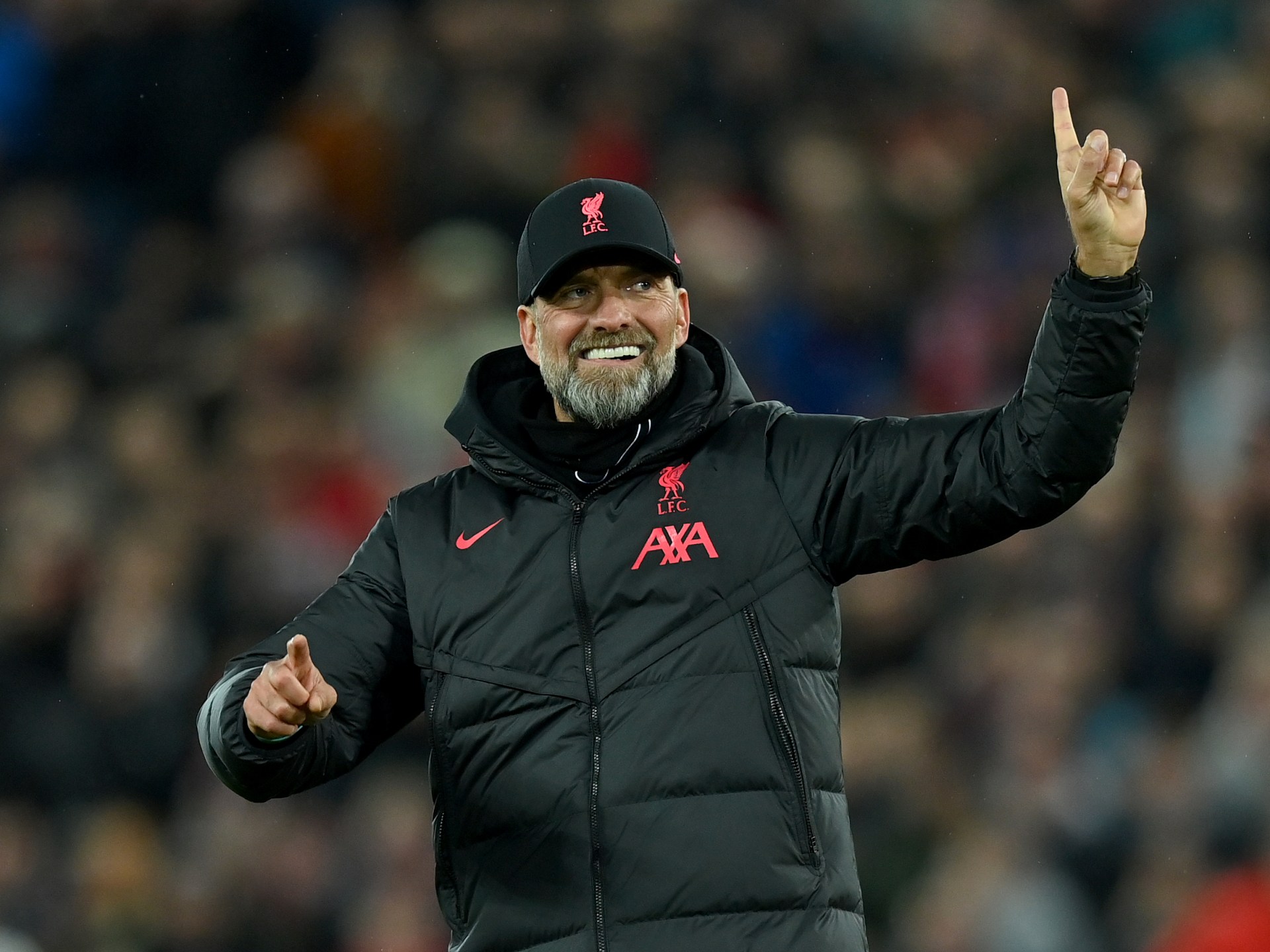
Klopp’s legacy isn’t defined by trophies alone. It’s defined by connection. He gave Liverpool something intangible — a pulse. His “heavy metal football” was never just about tactics; it was about emotion, unity, the idea that 11 players and 50,000 fans could breathe in rhythm. From his embrace of the Kop to his wild touchline celebrations, Klopp didn’t just manage Liverpool — he lived it. He turned belief into a weapon, built families in the dressing room, and made fans feel part of every victory. That’s why his words about missing Van Dijk’s laugh struck deeper than most people realized. He didn’t say he missed football. He said he missed them. The people. The laughter. The feeling of belonging. And that’s the kind of longing that doesn’t fade easily.
Meanwhile, life after Klopp has been far from smooth. Arne Slot arrived as the man chosen to carry the torch — bright, ambitious, and tactically sharp. For a brief moment, optimism returned. But the flame hasn’t caught. Liverpool are struggling to find rhythm, their attacking chemistry looks fractured, and morale has visibly dropped. The 2–1 defeat to Manchester United at Anfield was more than just a bad result — it was symbolic. The fortress Klopp built suddenly felt vulnerable. The intensity, the joy, the spark — all gone. Fans are starting to wonder if this team is losing not just matches, but its soul. And every time Klopp speaks publicly, it reignites the conversation: maybe the man who built the identity is the only one who can restore it.
Klopp’s attachment to Liverpool was never transactional. It was personal, almost spiritual. Even after leaving, he made it clear that if he ever returned to English football, it would only be to one club. “If I ever coach again in England,” he said recently, “it will be Liverpool. No one else.” That sentence wasn’t just loyalty — it was a vow. And now, with Liverpool struggling, that vow feels less hypothetical. It feels like a heartbeat waiting to be heard again. Fans, once respectful of Slot’s transition, are starting to dream in red again — dreaming of Klopp walking down the tunnel at Anfield, fists pumping, smile wide, as if he’d never left.
But for that dream to come true, a perfect storm would have to form. The board would need to lose faith in Slot’s project. Klopp would need to rediscover his hunger — that wild, unfiltered energy that made him unique. And above all, it would have to make sense. Liverpool can’t live in the past. A Klopp return would need to symbolize resurrection, not repetition. He himself said that he doesn’t miss the pressure, that he’s enjoying his time away from the daily grind. Yet when he talks about the club, his tone betrays him. You can leave the stadium, but you can’t leave the heartbeat.
For Arne Slot, the challenge is now existential. How do you lead a club when the shadow of your predecessor still stands taller than any of your victories? He was supposed to evolve Liverpool, not resurrect it. But every defeat now feels like a referendum on Klopp’s departure. Fans chant his name again. Journalists speculate. And every loss feeds the same question: is this just a slump, or proof that Liverpool without Klopp simply isn’t Liverpool at all? Slot’s calm demeanor and tactical mind might be working against him — because what Liverpool are missing isn’t logic. It’s fire.
The mythology of Jürgen Klopp at Liverpool is larger than any one era. It’s not just about goals and trophies — it’s about belief. When he spoke of hearing Van Dijk’s laugh, it reminded people that football isn’t made of numbers; it’s made of moments. Laughter, passion, chaos, triumph — all woven together into something sacred. That’s why even his absence feels present. It’s why his name still fills the air after every defeat. For fans, Klopp isn’t just a memory. He’s the idea of what Liverpool should feel like.
The current fracture in the fanbase reflects that. Half are clinging to patience, trusting Slot to adapt. The other half are whispering the unthinkable — that maybe Klopp’s chapter isn’t finished. The media stokes the fire daily, pundits dissect every comment he makes, and the tension in the stands grows heavier. Klopp himself hasn’t denied the possibility. “Theoretically possible,” he called it. That’s all it took. Theoretically possible — three words that reignited an entire city’s imagination.
If Liverpool continue to slide, it’s only a matter of time before those whispers become roars. The fans know Klopp doesn’t need money or fame — he already has both. What he’s missing is purpose. And purpose is something Liverpool have always given him in abundance. His presence could heal the fractures, reawaken the energy, and bring back the swagger that has been missing since the day he left. But for now, he’s content to watch from afar — proud, protective, but restless.
Jürgen Klopp’s story with Liverpool was supposed to have an ending. But the truth is, endings are overrated. Some stories never really close — they linger, echoing across time, waiting for the right moment to begin again. Klopp may have left Anfield, but Anfield never left him. And as the red lights flicker through another uncertain season, one question grows louder than ever: when the music stops, will Liverpool call his name one more time?