
Liverpool’s visit to Anfield on Saturday was expected to be a straightforward affair. On paper, the match seemed to favour the home side: Liverpool were chasing consistency and momentum, Burnley were still looking for stability, and the Reds had historically dominated this fixture. Fans arrived anticipating a familiar narrative, expecting control, goals, and another comfortable result. Yet football, as it often does, refused to comply with expectations.
Instead, a combination of missed opportunities, defensive stubbornness, and a late equaliser turned what should have been a routine afternoon into a tense and frustrating affair that lingered long after the final whistle.
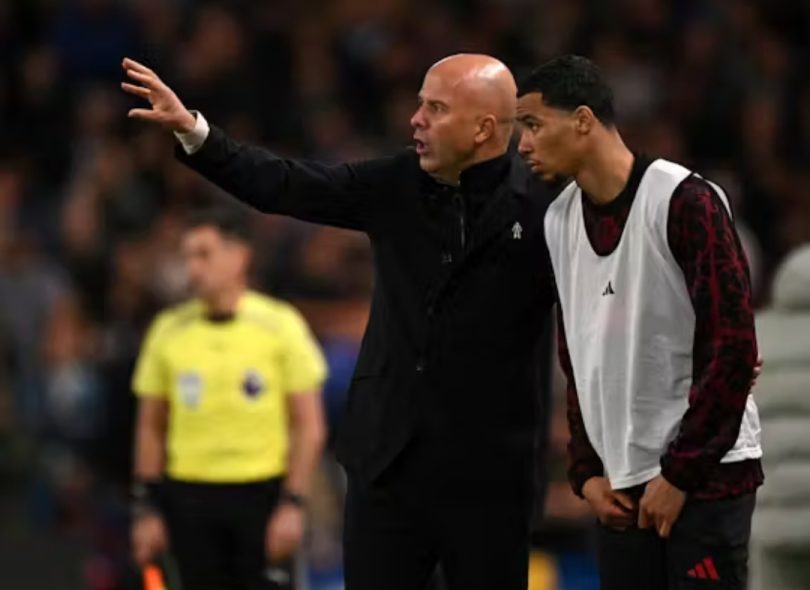
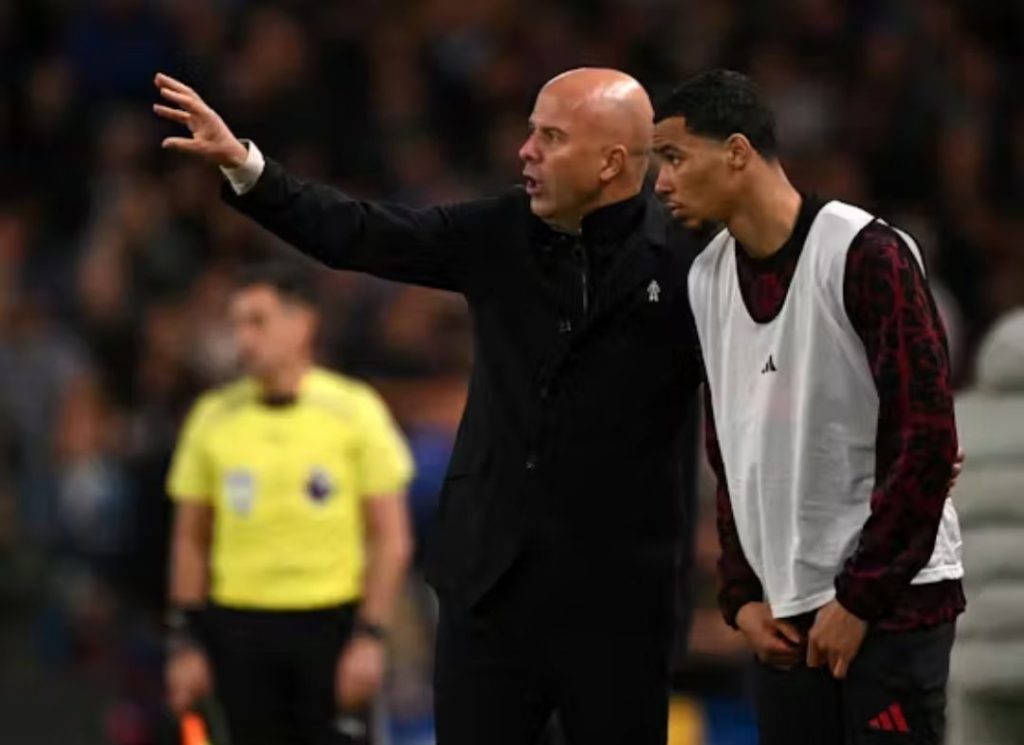
From the very start, Liverpool controlled possession, moving the ball patiently from one side of the pitch to the other as they tried to probe gaps in Burnley’s disciplined setup. Arne Slot’s side employed a compact 3-4-3 formation, prepared to absorb pressure and limit space rather than attempt anything ambitious in attack. While the game lacked flair early on, Burnley’s approach was calculated: survive first, worry about attacking later.
Their resilience was evident as goalkeeper Martin Dubravka became an early hero, making crucial stops to deny efforts from Cody Gakpo and Florian Wirtz, while Dominik Szoboszlai hovered around the edge of the box, searching for openings. Despite Liverpool’s dominance in possession and territory, the breakthrough remained elusive.
The defining moment came in the 32nd minute. Gakpo, cutting inside with purpose, was clipped in the box by Florentino, earning Liverpool a clear penalty. Szoboszlai, ordinarily reliable from twelve yards, stepped up but saw his strike cannon off the crossbar. Dubravka was beaten, yet Burnley were spared, and the miss instantly shifted the mood inside Anfield.
What should have been relief instead became tension, and Burnley, buoyed by their escape, drew confidence, retreating deeper but believing they could still emerge with something from the game.
Liverpool continued to apply pressure, maintaining possession and probing for openings. Eventually, persistence paid off. Curtis Jones reacted quickest to a rebound from another Dubravka save, finding Wirtz, who steadied himself and fired a powerful shot into the top corner, finally breaking the deadlock.
The crowd exhaled, and Liverpool went into the interval ahead on the scoreboard, dominating in expected goals and in control of proceedings, though the game was far from over.
Burnley returned with renewed purpose in the second half, pressing selectively and exploiting any space they could find. Marcus Edwards, quiet for much of the match, began to create chances down the left. Liverpool continued to threaten through Gakpo, Wirtz, and Szoboszlai, but the second goal remained out of reach. That hesitation proved costly.
On 65 minutes, Burnley struck with precision. Florentino played a clever pass to Edwards, who finished low across Alisson, bringing the game level and injecting belief back into his team.
The final stages were frantic. Liverpool threw men forward, creating multiple chances, only to be denied by Dubravka and Burnley’s disciplined defending.
Hugo Ekitike had a goal ruled out for offside, Alexis Mac Allister saw a shot blocked, and Szoboszlai tested the goalkeeper again. Burnley defended with desperation and structure, delaying the clock and keeping Liverpool at bay. Deep into stoppage time, tension peaked when Federico Chiesa tangled with Josh Laurent in the box, but appeals for a penalty were dismissed. The final whistle confirmed a 1-1 draw, a result that felt significant for both sides.
For Liverpool, the match was a reminder that control and dominance do not guarantee victory.
The missed penalty became emblematic of an afternoon where authority never fully translated into certainty. Burnley, meanwhile, left Anfield with a hard-earned point, their resilience and opportunism proving that determination and belief can rewrite even the most predictable narratives.