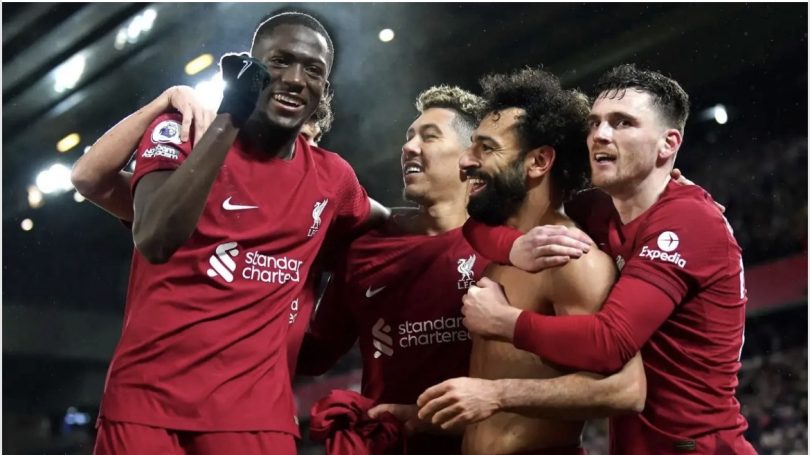

Naby Keita’s journey in football has been nothing short of a rollercoaster, a story of talent, promise, setbacks, resilience, and ultimately rediscovery.
For fans who followed Liverpool closely over the last five years, Keita’s time at Anfield was a mix of breathtaking flashes of skill, frustrating interruptions, and moments that left supporters both awestruck and heartbroken. The Guinean midfielder arrived at Liverpool in 2018 amid huge expectations. The Reds had fought long and hard to secure his signature, eventually paying £52.75 million to bring him from RB Leipzig, a club where Keita had already begun to carve out a reputation as one of Europe’s brightest young talents. Liverpool’s pursuit of him had begun in 2017, but initial negotiations failed, and it wasn’t until the following year that the deal was finalized. The anticipation among fans was palpable. They had watched highlights of his explosive energy, his ability to carry the ball, and his vision that could unlock defenses, and they were certain he would become a vital part of Klopp’s system.
When Keita finally arrived at Anfield, Jurgen Klopp welcomed him warmly, understanding the pressure the young midfielder faced and recognizing that adaptation to the Premier League can be brutal. “Naby, you’re here finally, and you’ve earned it,” Klopp told him. “I want you to enjoy it and won’t put any pressure on you — the most important thing is for you to enjoy your time.” Those words resonated deeply with Keita, instilling a desire to prove himself, to play with freedom, and to show the world his ability. Early glimpses of his talent justified the excitement. Keita’s dribbles, his intelligent runs, his ability to connect play from midfield to attack — all of it seemed to promise that Liverpool had acquired a gem. He played with passion, with the sort of commitment that made him instantly beloved by teammates and supporters alike.
Yet football is rarely a straight path. Keita’s time at Liverpool was plagued by injuries that continually interrupted his rhythm, his confidence, and his ability to cement a place in the starting XI. In his final season at Anfield, he managed only eight Premier League appearances, a statistic that painfully underscored how cruel the game can be. The injuries were relentless, often minor but frequent enough to disrupt form, fitness, and continuity. A player who had arrived with such high expectations found himself sidelined more often than he was on the pitch. Each injury brought frustration, anxiety, and self-doubt, yet Keita never lost his determination. He trained hard, rehabilitated diligently, and remained committed to the team, even when the circumstances were unforgiving.
Keita’s final season at Liverpool ended in disappointment. His last outing came against Crystal Palace in February 2023, a goalless stalemate where he was substituted at half-time after a lacklustre performance. Injury would rule him out for the remainder of the campaign, and with his contract expiring in the summer of 2023, he bid farewell to Liverpool. Yet despite the setbacks, he left without bitterness. Declaring himself a Liverpool fan, he expressed pride in the club’s achievements and joy at seeing his former teammates lift the Premier League trophy. He maintained contact with several of them, particularly appreciating the professionalism and camaraderie that Klopp fostered within the squad. Liverpool had become more than just a club; it had been a home, a place where he learned, struggled, and grew as both a player and a person.
After leaving Liverpool, Keita sought a fresh start in Germany, signing for Werder Bremen on a free transfer. There was hope that returning to the Bundesliga, a familiar league where he had previously excelled, would reignite his career. But challenges persisted. His time at Bremen was difficult, complicated by limited opportunities and tensions within the squad. In April 2024, Keita found himself excluded from the team after refusing to board the coach upon realizing he would not start against Bayer Leverkusen. It was a moment of personal frustration, one that reflected both the pressures of professional football and the emotional toll injuries and setbacks can exact on a player’s psyche.
After only five appearances for Bremen, Keita was loaned to Ferencvaros in January, a move that proved transformative. Under the management of former Liverpool striker Robbie Keane, Keita began to rediscover his joy for the game. The Hungarian side provided a supportive environment where he could play regularly, regain fitness, and contribute meaningfully. By the end of the season, he had made 21 appearances and played a key role in securing the Nemzeti Bajnoksag I title. Despite a narrow defeat to Qarabag in the Champions League qualifiers, the team earned a place in the Europa League, offering Keita new challenges and opportunities on the European stage.