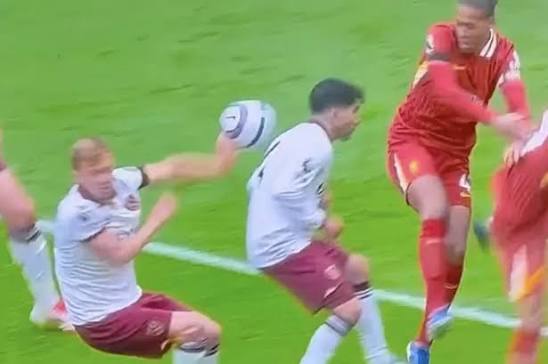

VAR’s involvement—or lack thereof—has once again thrust the technology into the spotlight, reigniting debates about consistency, decision-making, and its impact on the game.
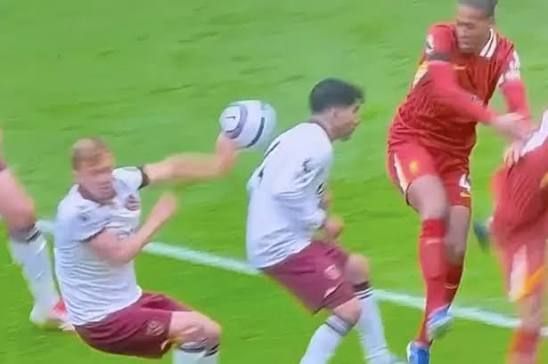
The incident in question appears to stem from a moment in the match where Liverpool appealed for a penalty, often described in fan circles and some reports as a “stonewall” or “blatant” offence inside the box. Social media posts and fan reactions highlight outrage, with descriptions of the referee deeming a potential spot-kick invalid, leading to an eruption of disbelief at the stadium and online. Liverpool supporters have taken to platforms like X (formerly Twitter) and Facebook to vent, calling the decision a “shocking snub” and questioning how such an apparent injustice could go unpunished. The fury has been palpable, with calls for accountability from officials and suggestions that the football community might demand answers rather than let it fade away.
This isn’t an isolated grievance for Liverpool fans. VAR has been a recurring source of contention for the club in recent seasons. In earlier encounters with West Ham—such as a 2025 match at Anfield—Liverpool were denied a penalty for a handball by James Ward-Prowse after a corner. The referee waved away appeals, and VAR upheld the on-field decision, ruling the handball “accidental” and not punishable under the laws. The Premier League’s official channels explained it as such, but pundits like Jamie Carragher and fans argued it looked deliberate given the arm position. Similar patterns emerge in other games, where handballs or fouls in the area have been scrutinized but not overturned.
Broader context shows VAR’s ongoing struggles in the Premier League. The 2025-26 season has seen an uptick in acknowledged errors, with the league and PGMOL (Professional Game Match Officials Limited) issuing explanations or even admissions in some cases. For instance, videos and posts circulate claiming VAR later “admitted” mistakes in Liverpool-West Ham clashes, vindicating fan complaints but leaving supporters angry that real-time corrections didn’t occur. Manager Arne Slot and former players have weighed in on similar incidents, amplifying the scrutiny.
Fans point to perceived inconsistencies: penalties awarded or overturned in other matches (like challenges involving players from rival clubs) seem to favor certain teams, while Liverpool’s appeals get dismissed. One recurring theme is handball interpretations—where “accidental” contact often spares defenders, even with arms raised or unnatural positions. This fuels narratives of bias or incompetence, with some supporters joking (or seriously claiming) that VAR ruins the spontaneity of football, turning celebrations into anxious waits for reviews.
The latest episode fits into a pattern of VAR-related drama involving Liverpool and West Ham. Past games have seen reversed fortunes: West Ham once felt “disrespected” by VAR denying them a late penalty against Liverpool, prompting manager David Moyes to demand an apology. Now, roles appear flipped, with Liverpool on the receiving end of fan backlash against officials.
Critics argue the technology, intended to eliminate clear errors, often creates more controversy through subjective calls on “clear and obvious” mistakes. Handball rules remain a flashpoint—IFAB guidelines state that accidental handballs aren’t always offences unless they lead to immediate goals or block shots, but fan consensus often sees them as straightforward penalties when arms are extended.
As the season progresses, these incidents contribute to wider calls for reform: clearer handball protocols, faster reviews, or even semi-automated offside tech expansion to penalties. Liverpool’s passionate fanbase, known for vocal support and scrutiny of decisions, continues to highlight how such moments can swing momentum in tight title races or European pushes.
Ultimately, while the match result isn’t detailed here, the denied penalty has left a bitter taste. Fans feel robbed of a potential equalizer or winner, and VAR’s role—meant to bring justice—has instead amplified distrust. Until consistency improves, expect these debates to rage on every matchday